
Teaching & Mentoring
My teaching is grounded in studio-based learning: learning through shared practice. I design environments where asking questions, testing ideas, revising work, and learning from mistakes are not only encouraged but expected. Across courses, I emphasize openness, experimentation, and clear communication, helping students develop both technical confidence and durable ways of working that extend beyond any single tool, medium, or class.
-
![]()
Studio-Based Learning
In practice, this means structuring courses around iterative, sequenced, and well-scaffolded project-based work. Students move through cycles of making, critique, revision, and reflection, supported by workshops, demonstrations, and shared studio time. I focus on creating clear entry points to complex tools while encouraging students to take creative risks and develop their own visual and conceptual voices.
-
![Digital Fabrication & Material Practice]()
Digital Fabrication & Material Practice
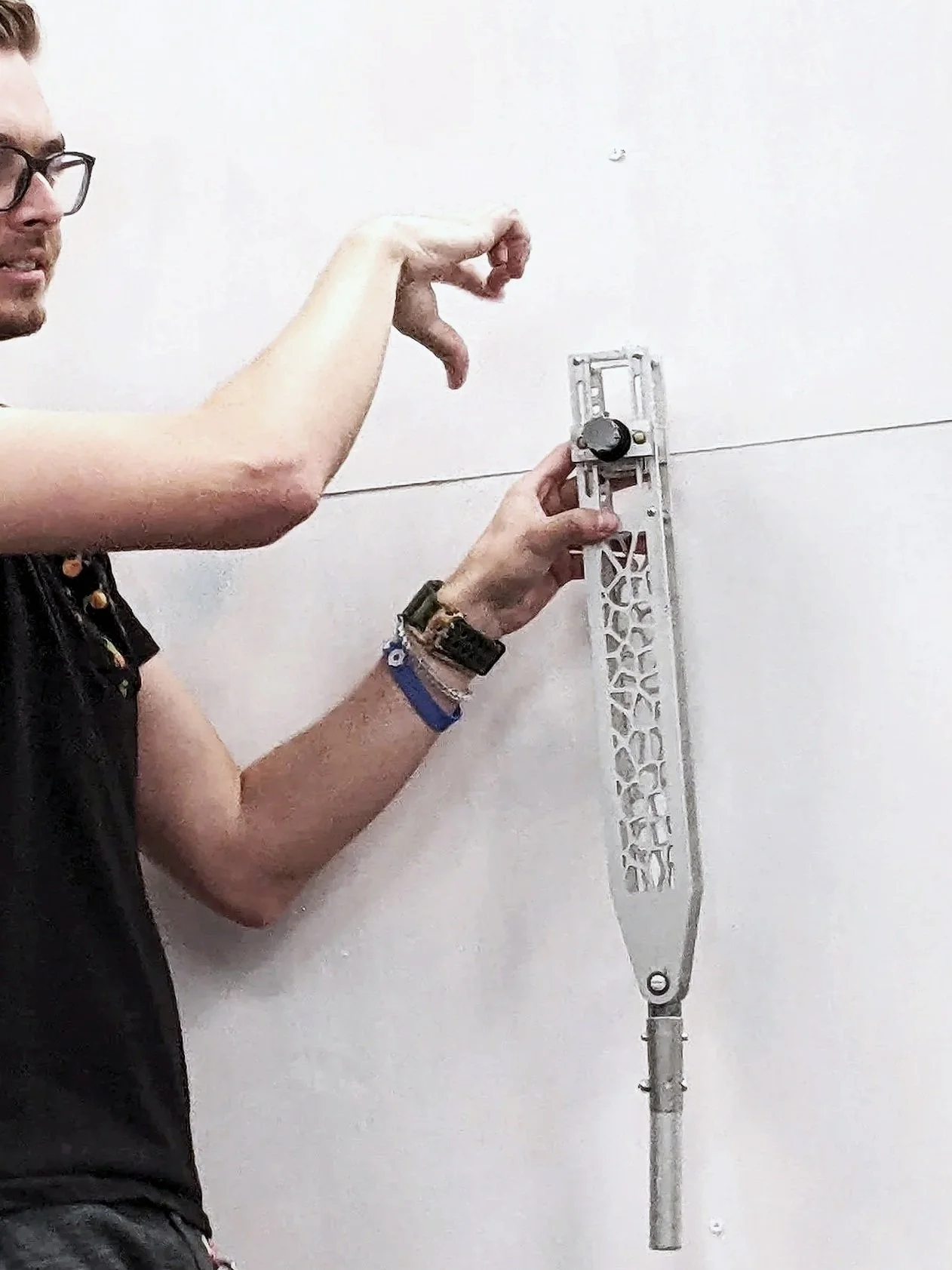
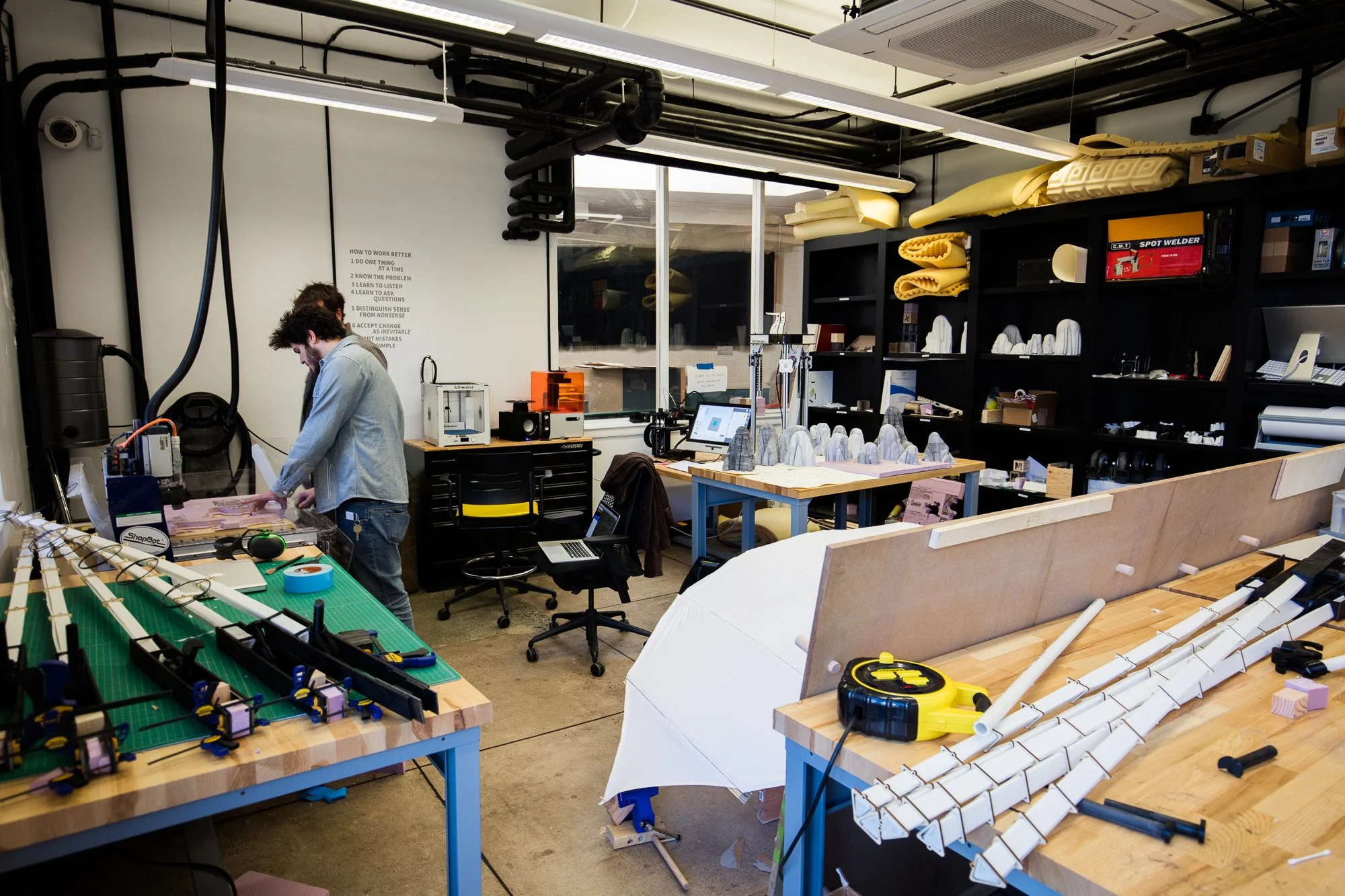
My teaching in digital fabrication focuses on thinking with and through tools. Students work across CNC milling, laser cutting, 3D printing, scanning, and hybrid workflows, treating fabrication as a form of human–machine collaboration. Tools are approached as extensions of the hand and mind, shaping how ideas are developed, tested, and realized, with strong attention to materials, setup, safety, and process (Digital Projects Lab; thesis and studio support).
-
![Creative Coding & Computational Thinking]()
Creative Coding & Computational Thinking
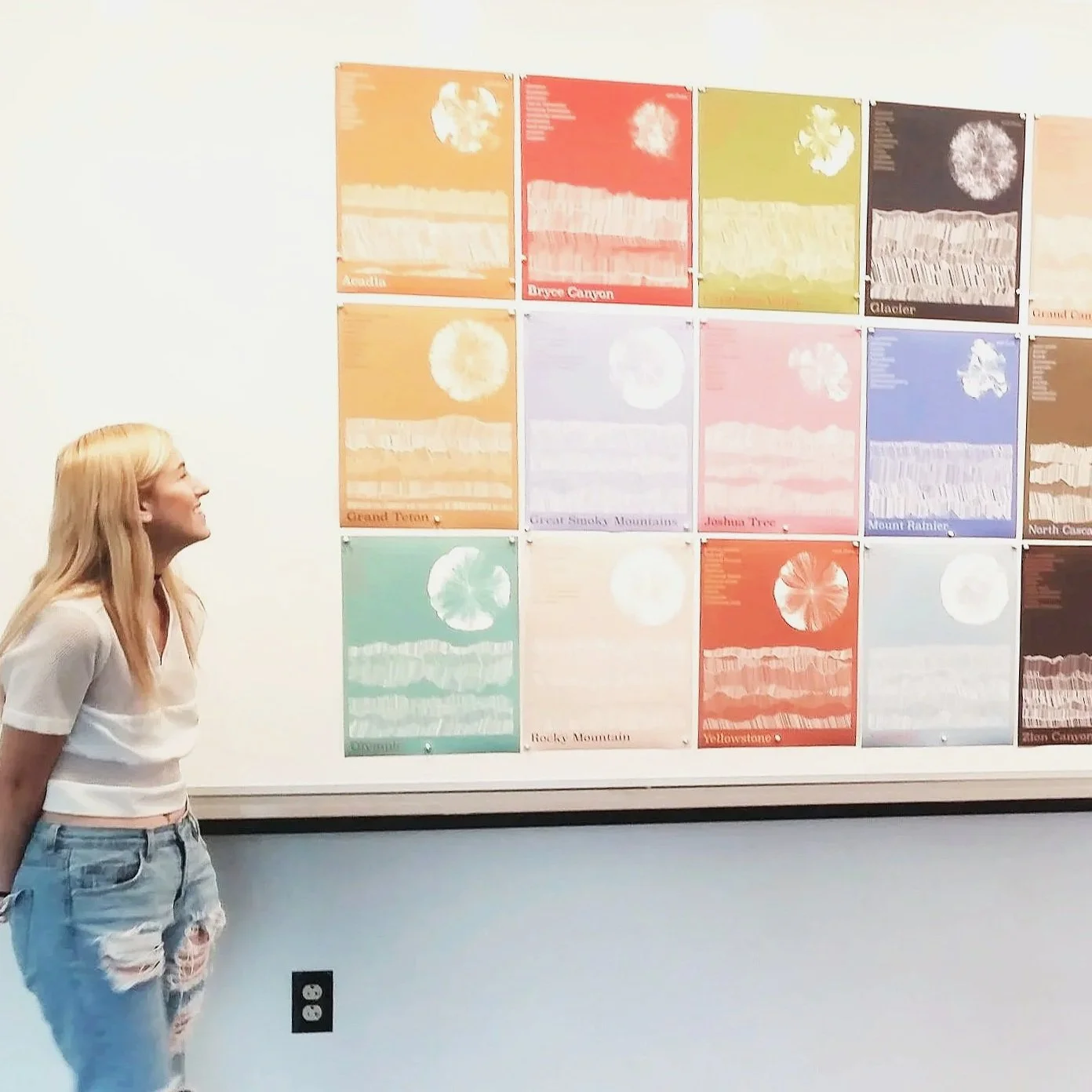
I teach coding as a visual, interactive, and creative medium rather than a purely technical skill. Using tools like Processing and p5.js, students draw, animate, simulate motion, and build interactive systems, engaging human–computer interaction as a design medium. Projects emphasize rule-based systems, emergence, and experimentation, helping students understand how computational logic shapes both form and experience (Form & Code; Intro to Digital Arts).
-
![advising = mentoring]()
Advising + Mentoring
Mentorship is a central part of my teaching practice. I advise students through capstone projects, senior theses, and long-term independent work, supporting projects from early concept through execution, revision, and presentation. I’ve also worked closely with graduate-level students in advising and instructional contexts. I approach advising as pedagogy—student-centered, dialogic, and iterative (senior theses; independent studies; graduate instruction).
-
![Image, Time & Digital Media]()
Image, Time & Digital Media
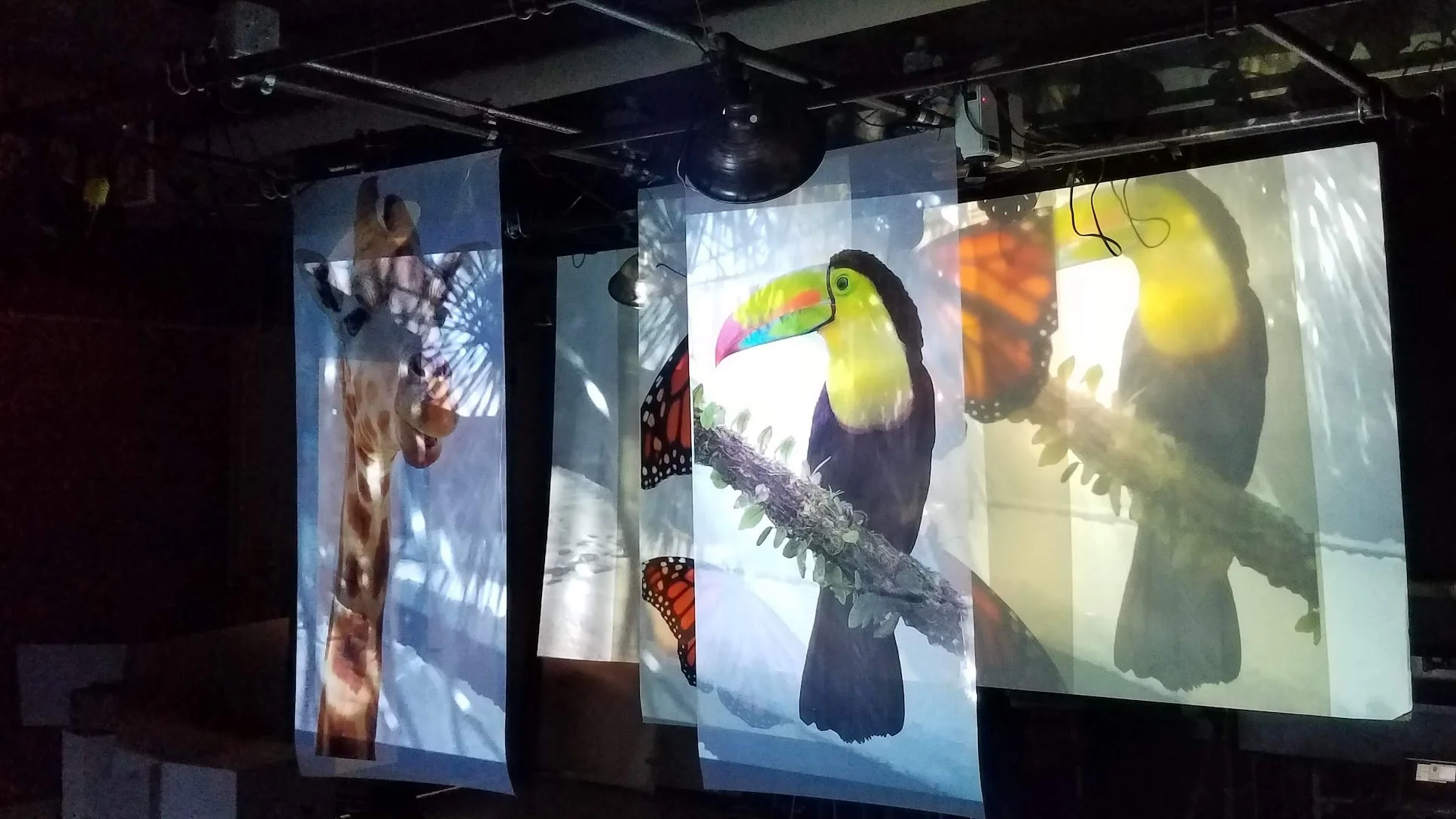
I teach digital media and digital arts through image-based and time-based practices that extend beyond coding alone. Courses emphasize animation, remix, image-objects, video, editing, post-production, and presentation or installation. Students work across 2D, 3D, and time-based media, using procedural and conceptual approaches to explore how images operate as systems unfolding over time (Intro to Digital Arts; Digital Foundations).
-
![Interdisciplinary & Collaborative Learning]()
Interdisciplinary & Collaborative Learning
My teaching and studio work span all three academic divisions, supporting interdisciplinary collaboration across the humanities, arts, social sciences, and STEM. I regularly collaborate with faculty, researchers, and labs through workshops, guest lectures, and project-based courses, including work in digital humanities, archaeology, psychology, engineering, and environmental sciences (Digital Humanities Initiative; Research Frontiers in the Sciences; Cognitive Development Lab).
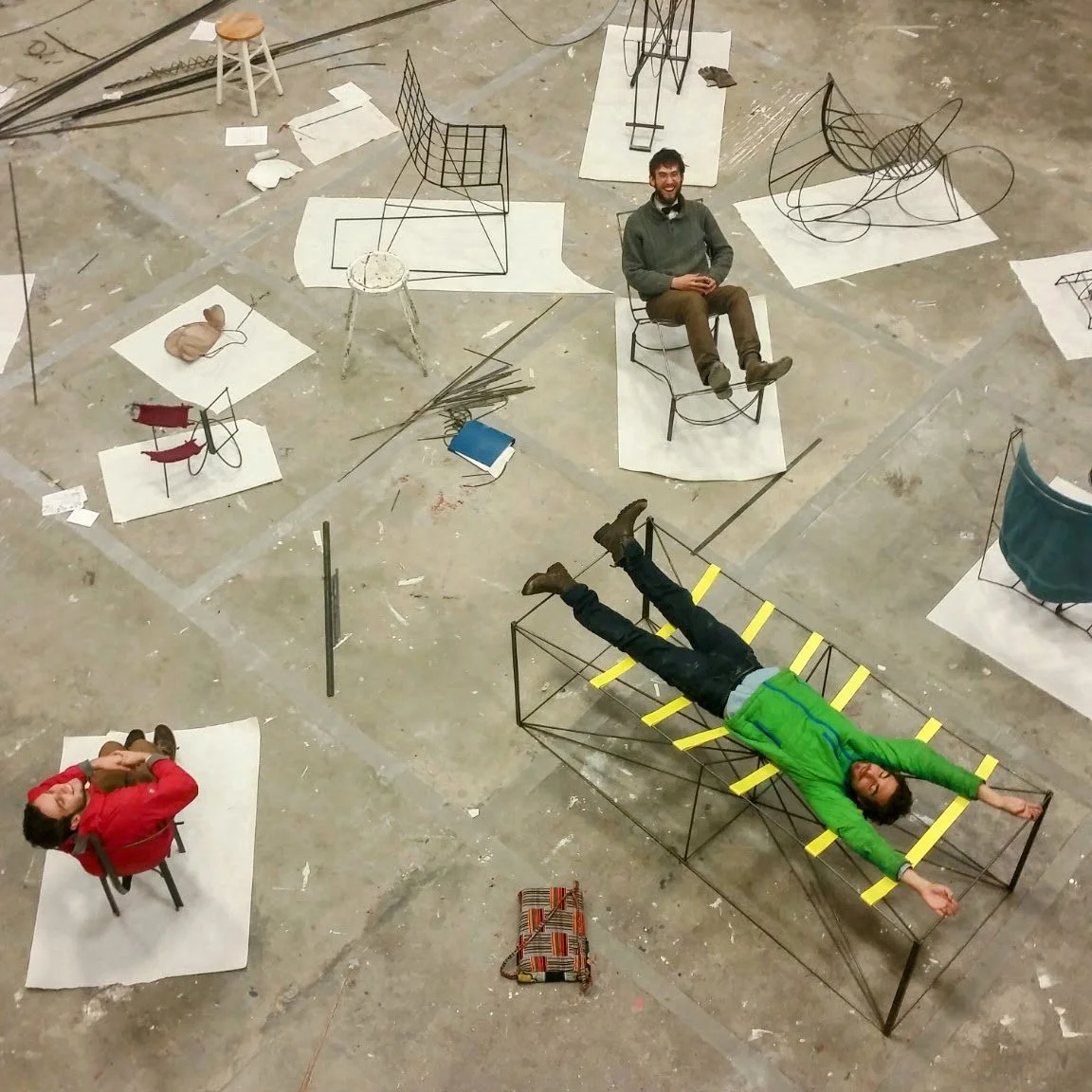


“We’re creating a community of practice in the studio here. You freely ask questions and you freely give answers and you admit when you don’t know and you accept mistakes and you learn from them and you revise. That is the designer’s toolkit they’ll carry with them for a long time...”
Studio-centered, project-based courses
Sequenced, carefully scaffolded assignments with feedback, collaborative work sessions, and revision built-in
Group critique and peer learning
Emphasis on process, documentation, and reflection
Clear technical foundations paired with open-ended outcomes
In practice, this means structuring courses around iterative, sequenced, and well-scaffolded project-based work. Students move through cycles of making, critique, revision, and reflection, supported by workshops, demonstrations, and shared studio time. I focus on creating clear entry points to complex tools while encouraging students to take creative risks and develop their own visual and conceptual voices.
What this looks like in practice
Curriculum Design & Ways of Working
I’ve taught across a wide range of digital, material, and computational practices, including creative coding, digital media, time-based work, data visualization, digital fabrication, and hybrid studio courses. While tools and media vary from course to course, the underlying emphasis remains consistent: helping students understand systems, processes, and materials well enough to use them creatively, critically, and with intention.
Across my courses, I prioritize building durable forms of understanding rather than tool-specific mastery alone. Students are encouraged to consider how tools shape outcomes, how processes influence form, and how conceptual frameworks inform making. Whether working with code, images, data, or physical materials, students learn to situate their work within broader questions of structure, context, and use.
In curriculum design, this means balancing technical foundations with open-ended inquiry. Assignments introduce constraints, invite experimentation, and support iteration, allowing students to move from guided exploration toward independent decision-making. Over time, students develop the ability to select appropriate tools, adapt to new technologies, and carry core ways of thinking across media, disciplines, and projects.
Creative coding and generative systems
Image-based and time-based digital media
Procedural and computational approaches
Data visualization and data-as-medium projects
Digital fabrication and hybrid making
2D and 3D digital foundations
Installation, presentation, and critique
Advising, Mentorship & Student Development
Mentorship is a central dimension of my teaching and a core responsibility of faculty work in a liberal arts environment. I approach advising as a form of pedagogy, rooted in sustained relationships and close attention to student development. Advising functions as an intellectual partnership that supports students as their questions, interests, and directions evolve over time.
I regularly advise students through capstone projects, senior theses, and extended independent work, supporting them from early idea formation through research, making, revision, and final presentation. Advising often involves helping students refine questions, manage scope, navigate uncertainty, and develop confidence in their own judgment, bringing coursework, studio practice, and broader intellectual interests into conversation.
Primary advising for undergraduate students in interdisciplinary programs
Direction of senior capstone projects and honors theses
Advising independent studies and long-form creative or research projects
Ongoing mentorship around project scope, time management, and revision
Portfolio development and preparation for postgraduate opportunities
Support for students navigating interdisciplinary curricular pathways
Advising and instructional support for graduate-level students